Plan for cyber losses using evidence the organisation can relate to its financial capacity
Cyber events can create substantial and uncertain financial losses. CRI quantifies the range and likelihood of those losses, helping leaders stress test their financial resilience, set risk appetite, assess insurance and identify scenarios that could be material to the organisation.
Quantify the potential range and likelihood of cyber losses.
Examine average annualised loss exposure and severe-loss outcomes.
Identify the scenarios and loss drivers shaping the result.
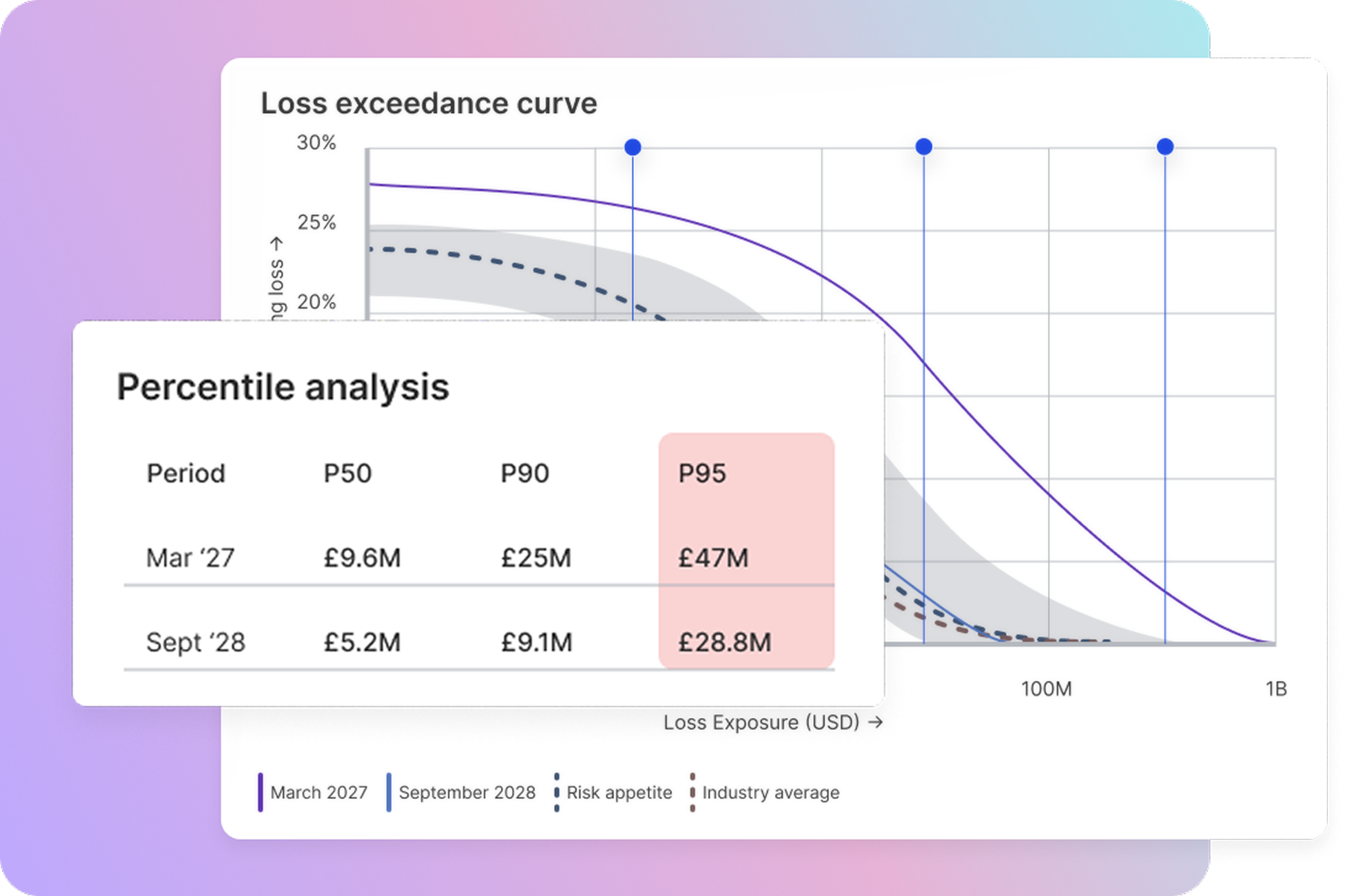
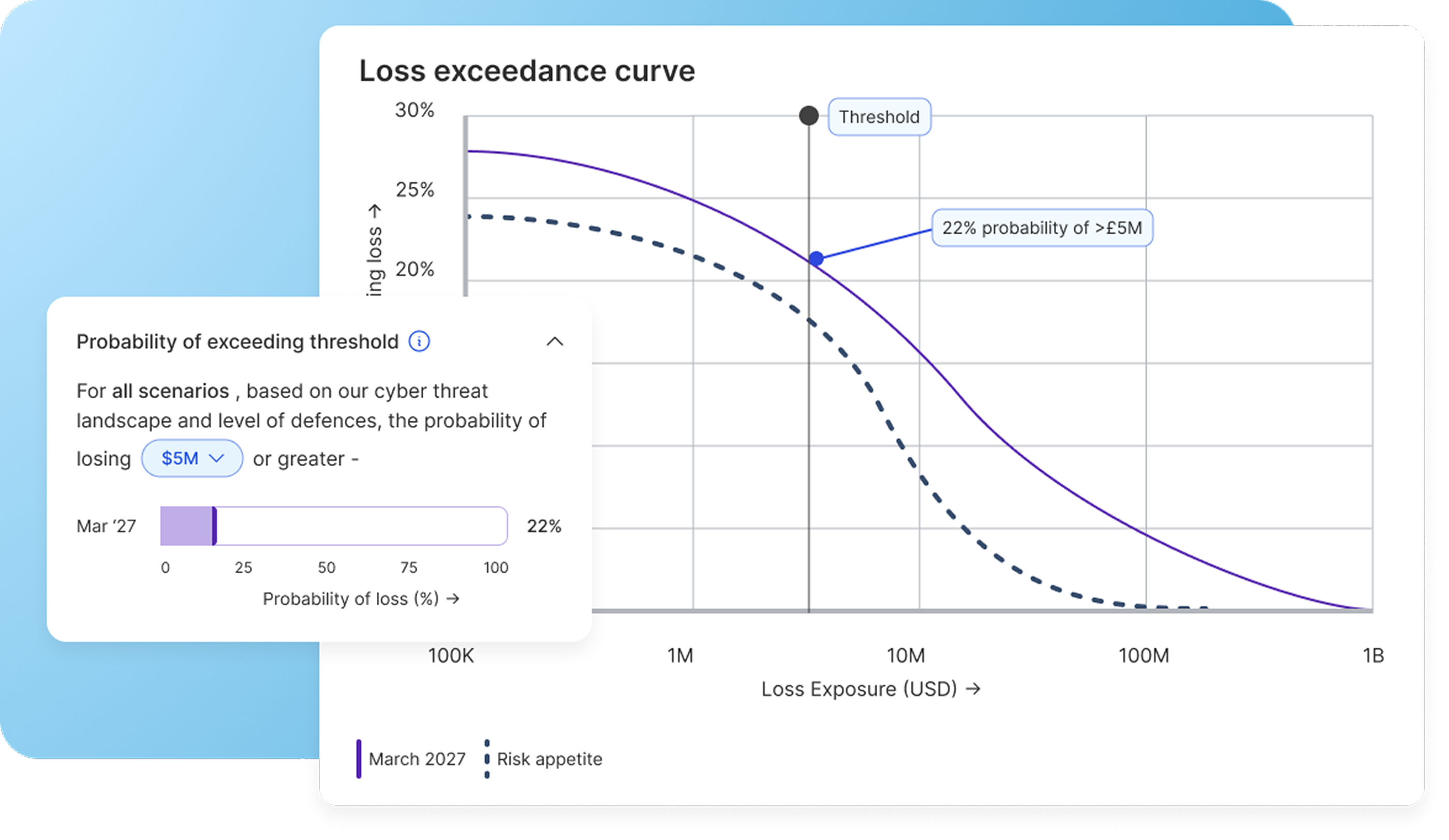
What level of cyber loss should we plan to absorb?
Compare quantified exposure with risk appetite, capital adequacy and relevant financial thresholds.
Understand the likelihood of losses exceeding those thresholds.
Use the result to inform risk treatment, contingency planning and governance.
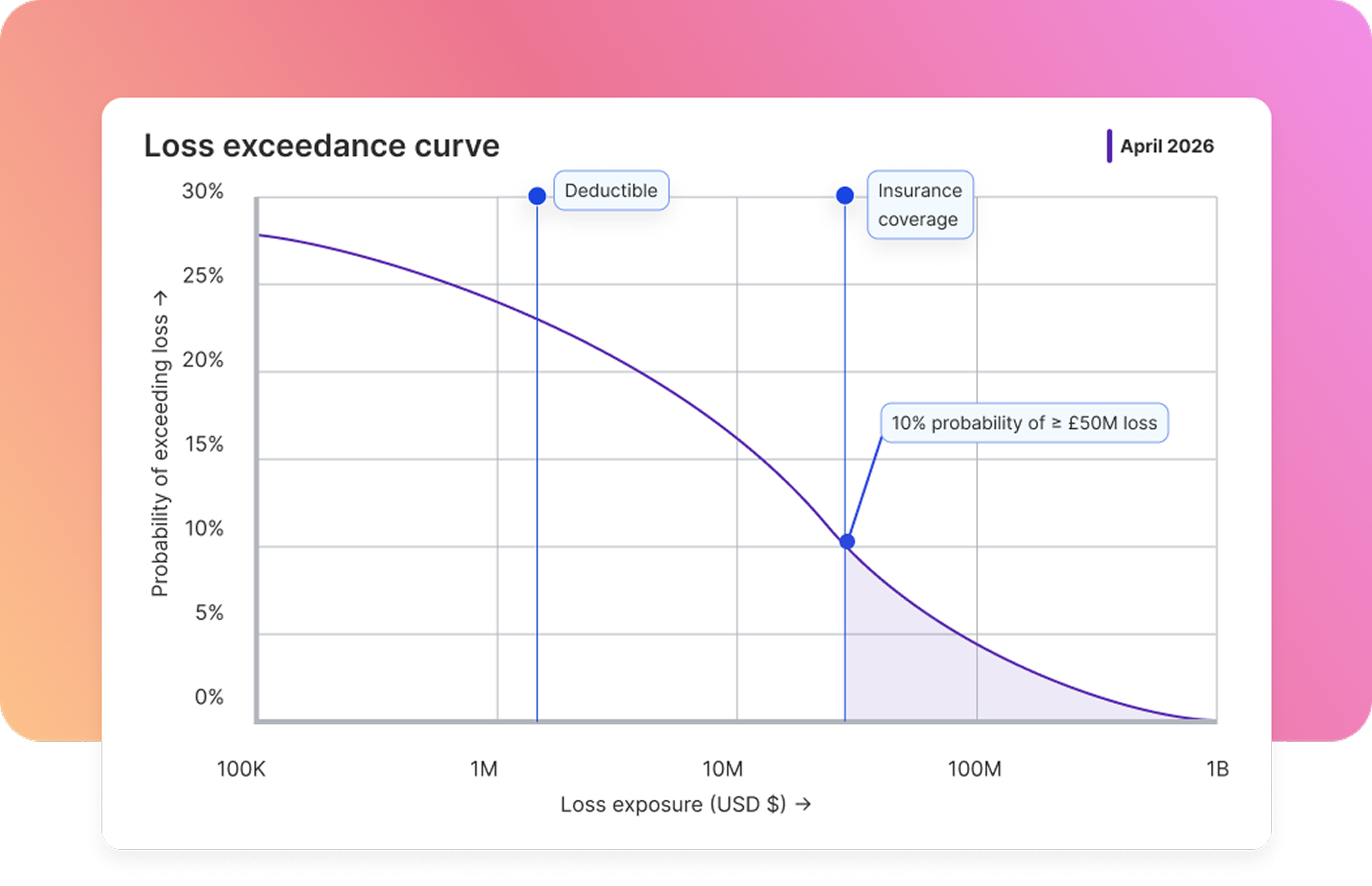
What exposure could remain after insurance responds?
Test how policy limits and relevant coverage assumptions align with quantified exposure.
Estimate the losses that may remain with the organisation after insurance responds.
Use the residual exposure to inform risk retention, reduction and transfer decisions.
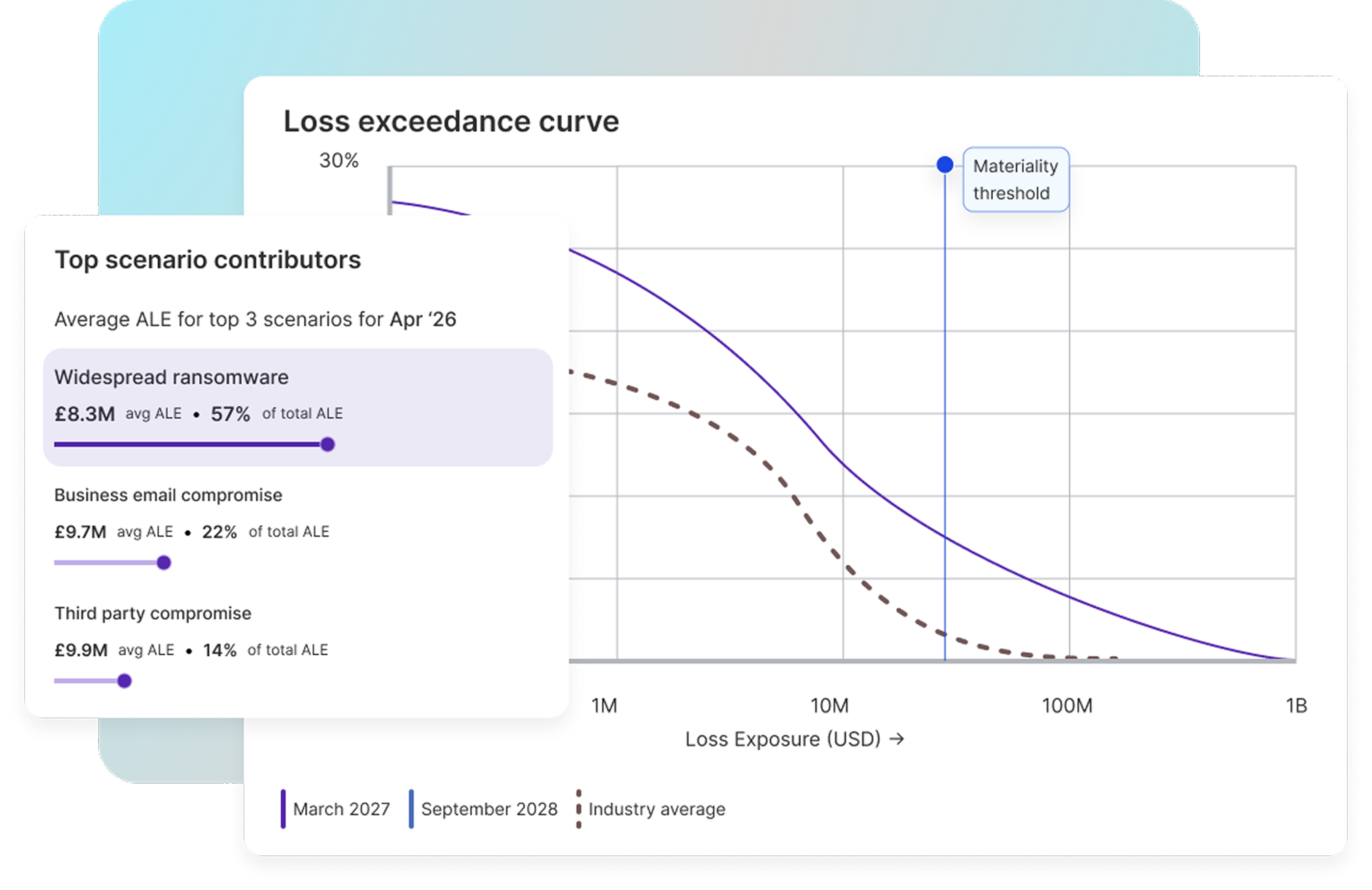
Which cyber events could be material to our organisation?
Define a financially relevant materiality threshold.
Identify the scenarios capable of crossing that treshold.
Establish clearer triggers for escalation, planning and action.
What clients say
CRI enabled us to apply a reliable quantitative rationale to our annualised loss expectations, helping us determine the level of cyber insurance coverage needed to keep potential losses within the Board’s risk tolerance. It has also helped us focus our cyber security strategy and investment on the controls that will have the greatest impact on reducing risk for our organisation and customers.