A clear, financially grounded view of cyber risk for leaders.
Technical measures can make cyber risk difficult to interpret and apply to business decisions. CRI quantifies exposure in financial terms, showing the scenarios, business units and underlying assumptions shaping the organisation’s risk position. Leaders gain a shared basis for governance, prioritisation and action.
What is our cyber risk exposure in business terms?
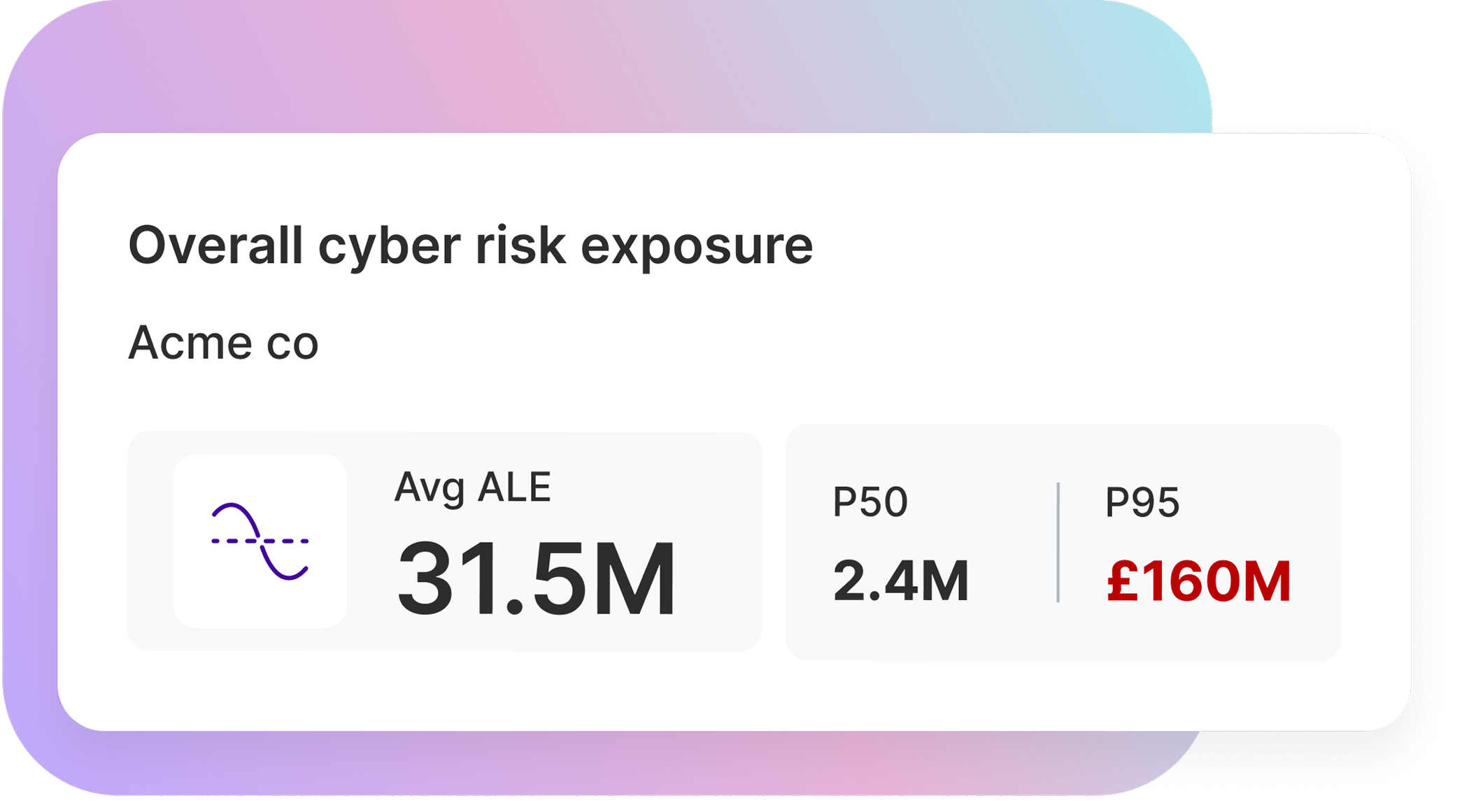
Estimate average annualised loss exposure and the likelihood of severe cyber losses.
See the potential range of losses across the organisation.
Present cyber risk in terms senior leaders can use in business decisions.
Which parts of the organisation contribute most to exposure?
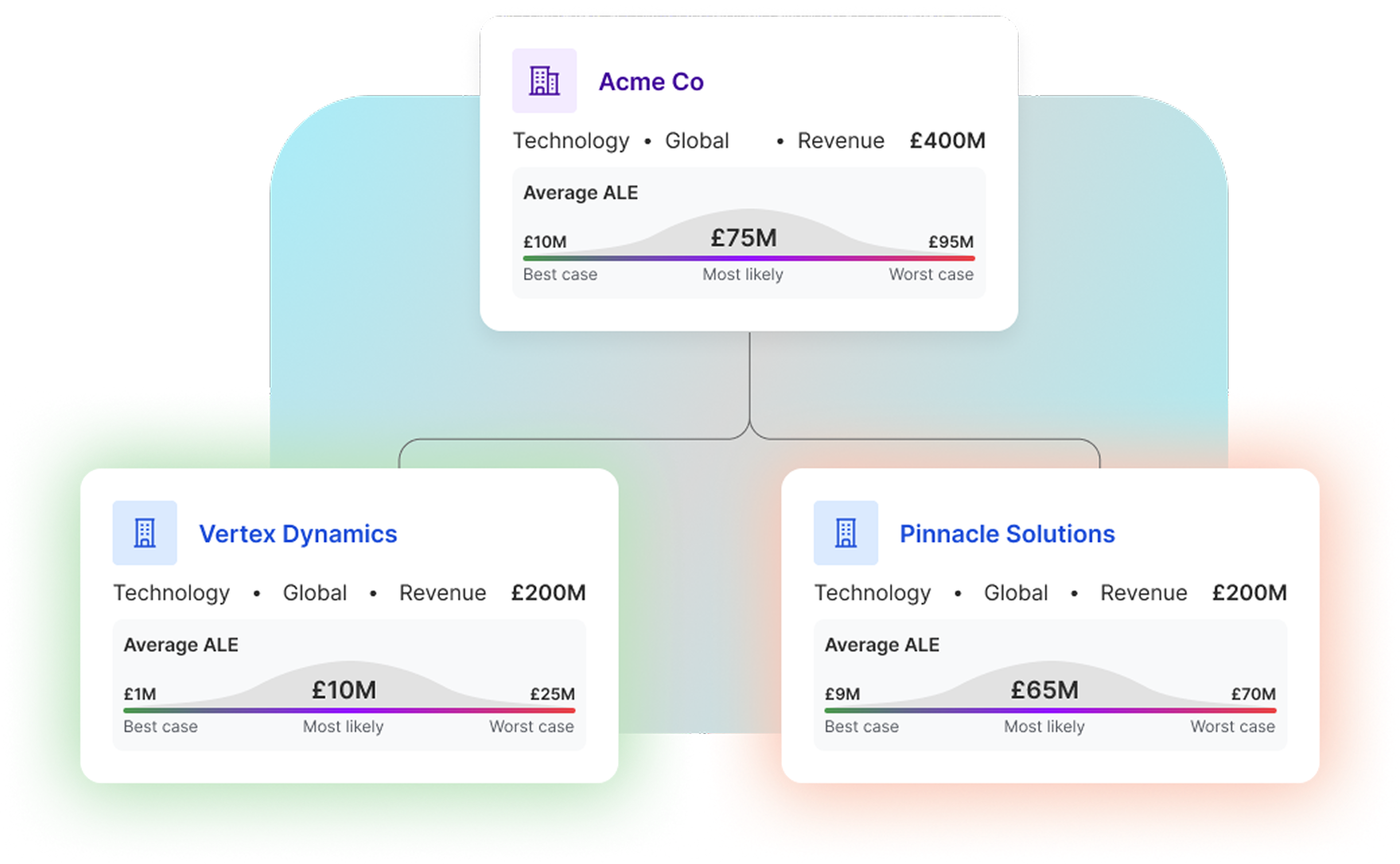
Compare financial exposure across business units.
Identify where exposure is concentrated.
See how each business unite contributes to the organisation's overally position.
What is driving our cyber risk?
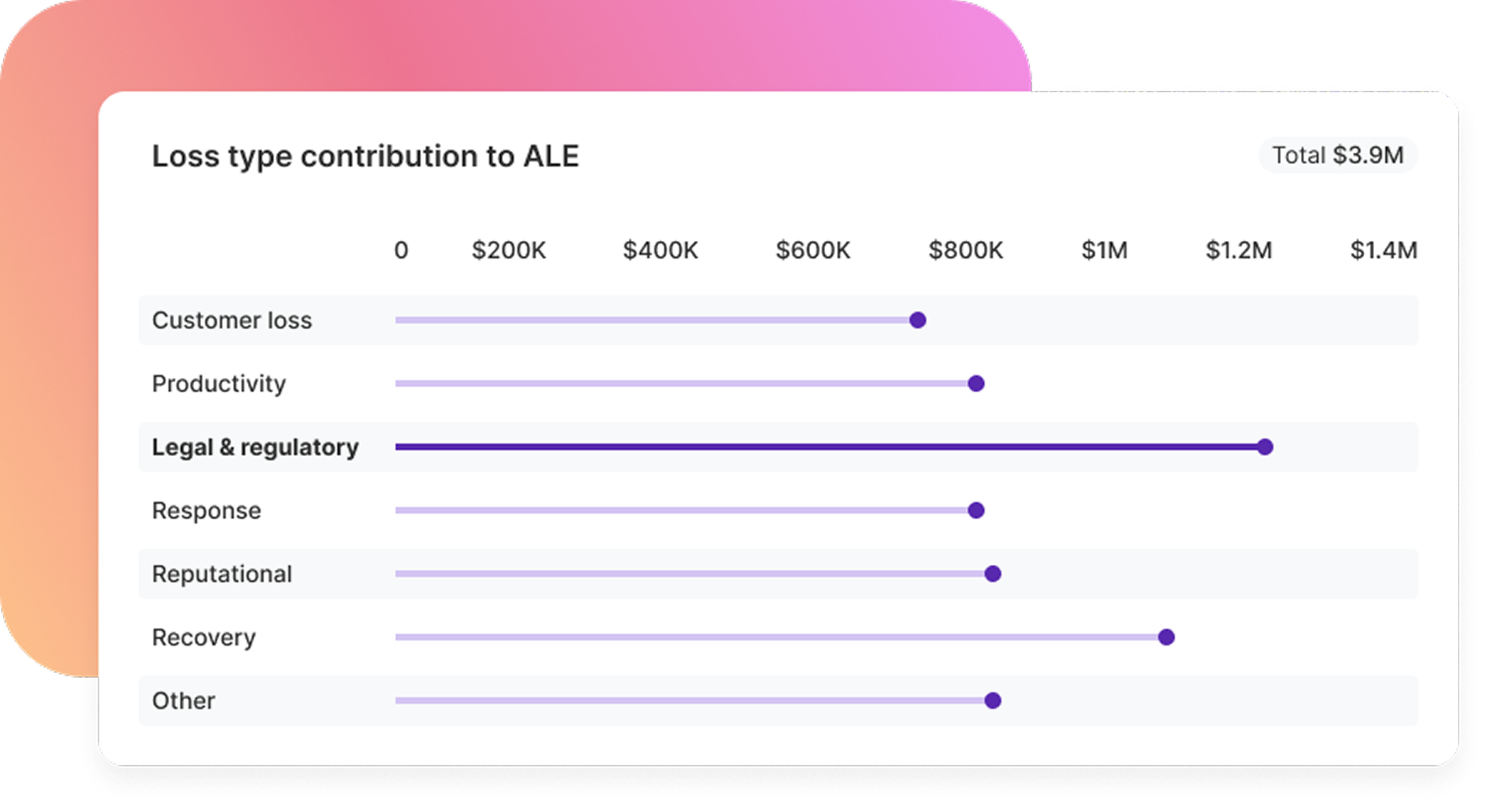
Separate the influence of event likelihood and financial impact.
Identify the assumptions and loss drivers with the greatest influence on each scenario.
Focus further analysis on the factors that could materially change the result.
Which threat scenarios require the most attention?
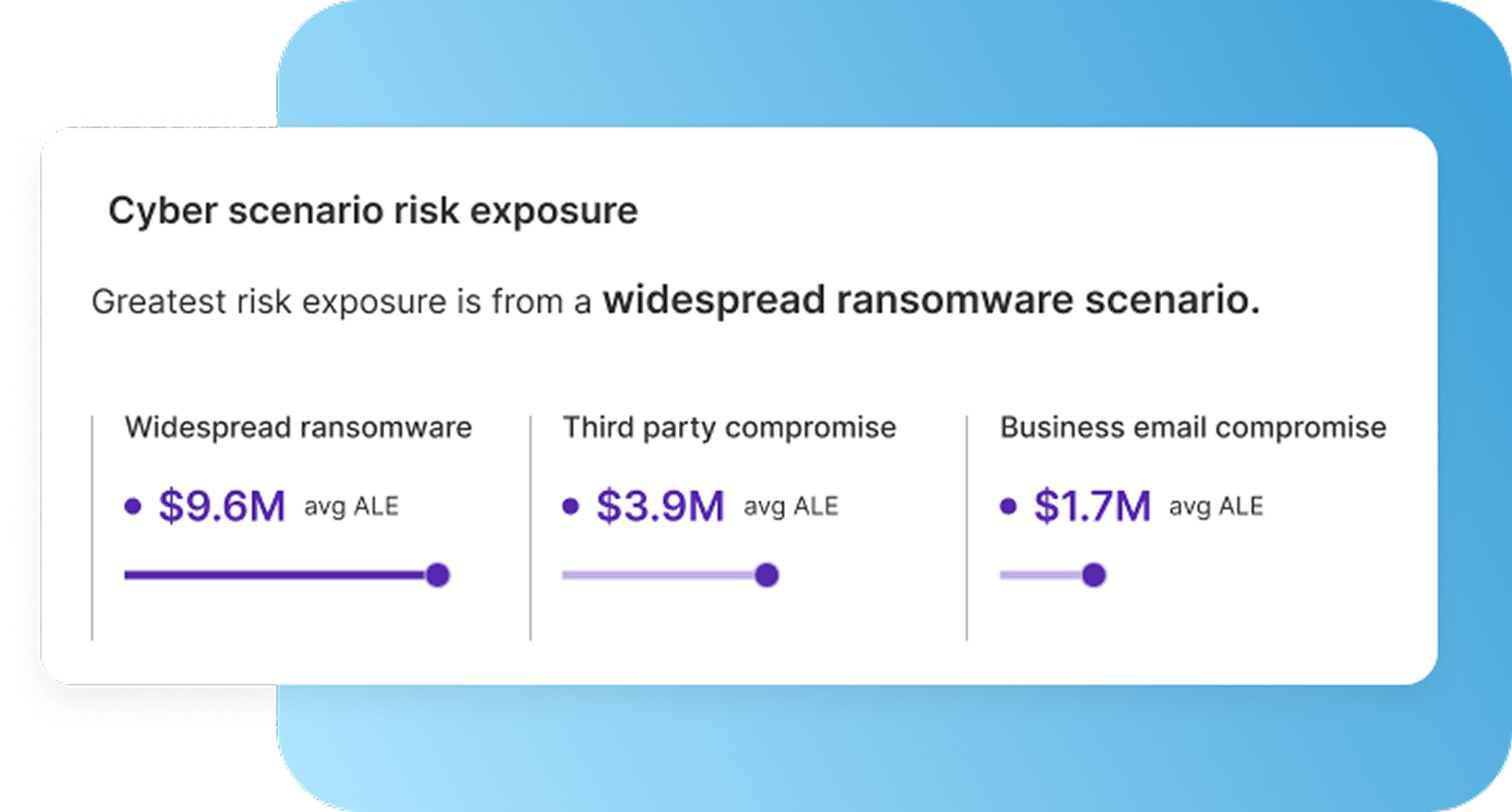
Rank scenarios by their contribution to financial exposure.
Compare the potential severity and likelihood of different events.
See which business units contribute most to eachpriority scenario.
What clients say
The biggest challenge we face with cyber risk management is being able to articulate the size of the risk we operate within against the business expectation. The benefit CRI brings is it helps me quantify the value of the tool we’re trying to implement against the risk that we’re trying to address. It’s a really great tool to bring to life that picture for the Board.
Information security and infrastucture director, National consumer group